The Importance of Timely Gutter Cleaning in Hackettstown

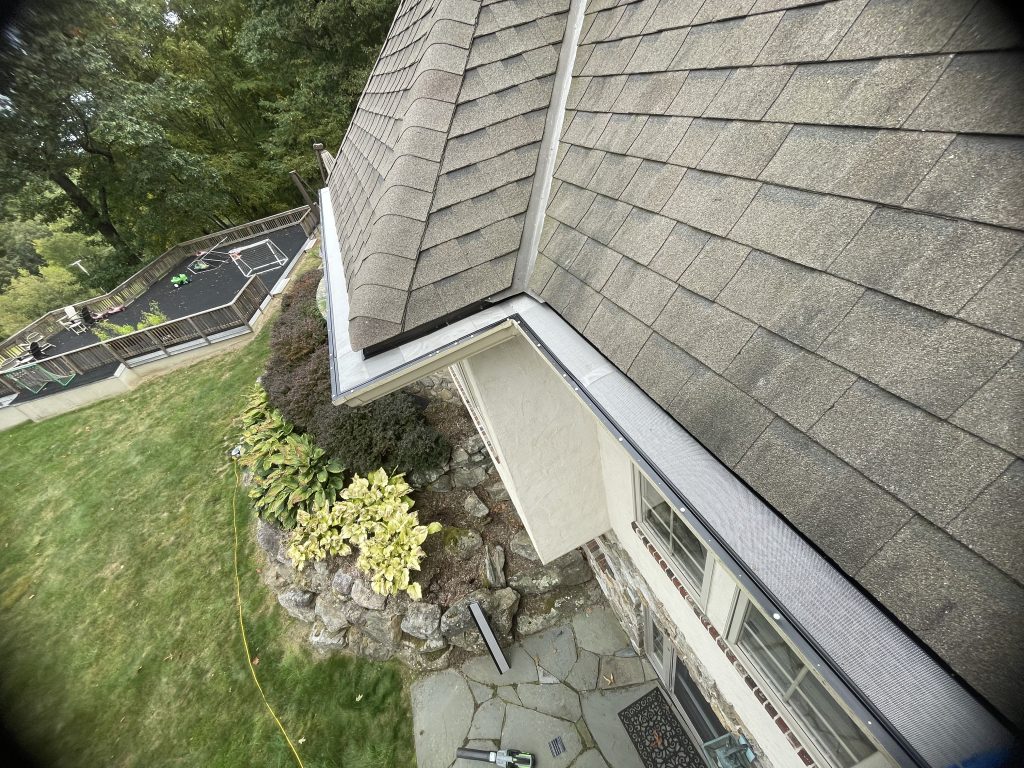

Gutters rarely get much attention until they stop doing their job. Then the problems arrive fast. Water spills over the roofline, splashes against siding, pools near the foundation, and works its way into places it should never reach. In a town like Hackettstown, where the seasons are pronounced and the weather does not stay gentle for long, timely gutter cleaning is less of a cosmetic chore and more of a basic part of protecting a home.
Homeowners often think of gutters as simple channels attached to the roof. In practice, they are part of the property’s drainage system, and when that system fails, the effects can spread well beyond the eaves. I have seen houses with beautiful roofs, new windows, and carefully maintained landscaping brought down a notch by one overlooked issue: clogged gutters that were left too long between cleanings.
The reason timing matters so much is simple. Gutters do not usually fail all at once. They clog gradually, then overflow suddenly during the next serious rain. That gap between buildup and visible damage is where many homeowners get caught. Things look fine from the driveway. Then a storm comes through Warren County, and water starts cascading over the front entry or carving channels through mulch beds.
For anyone thinking about Gutter Cleaning Hackettstown services, the real question is not whether the gutters should be cleaned. It is when, how often, and what can happen if the work gets delayed.
Why Hackettstown homes are especially vulnerable
Hackettstown’s setting creates a predictable pattern of gutter stress through the year. Spring brings seed pods, blossoms, and frequent rain. Summer adds sudden downpours and the occasional windstorm that drops twigs and leaves onto the roof. Fall is the biggest contributor, especially in neighborhoods with mature trees. Then winter arrives, and any debris left sitting in the gutters can trap water that freezes, expands, and adds weight to the system.
That four season cycle matters. A gutter system in a dry climate with few trees can sometimes coast longer between cleanings. In Hackettstown, many homes simply do not have that luxury. If the house sits beneath maples, oaks, or pines, the gutters may collect debris faster than expected, especially if the roof has multiple valleys that funnel material into the same section.
The age of the neighborhood can play a role too. Older properties often have larger trees and more established root systems, which are great for shade and curb appeal but hard on gutters. Newer developments are not immune either. Even with younger landscaping, wind can carry debris from nearby lots, and modern rooflines often include corners, dormers, and downspout placements that can clog in very specific spots.
The local freeze thaw cycle adds another layer. A partly clogged gutter might still seem passable during a mild week. Once temperatures drop and water sits overnight, that same obstruction can turn into ice, forcing water backward under shingles or outward over fascia boards.
What clogged gutters actually do to a house
The most common misunderstanding about gutters is that overflowing water just falls to the ground and disappears. It rarely works out that neatly. Water follows surfaces. It clings to trim, siding, and brick. It seeps into seams. It finds low points near the foundation. Over time, that movement creates wear in places most homeowners never intended to test.
Foundation trouble is often where the most expensive repairs begin. When gutters overflow repeatedly near the same corners of the house, the soil below gets saturated. Saturated soil expands and shifts. In some cases, https://telegra.ph/Gutter-Cleaning-in-Hackettstown-and-Its-Impact-on-Foundation-Safety-11-16 that contributes to settlement, hairline cracking, or basement moisture issues. Not every wet gutter leads to structural damage, of course, but the risk goes up the longer drainage problems continue.
Siding and trim take a beating too. Wood trim absorbs repeated splashback. Painted surfaces blister and peel. Even vinyl siding can show streaking, algae growth, or water intrusion behind panels if runoff is persistent. I have also seen front porches where one clogged upper gutter turned a small drainage issue into stained columns, rotting soffits, and a slippery walkway below.
Roof edges are another vulnerable area. When debris sits in a gutter trough, it holds moisture against the roofline. That damp environment shortens the life of fascia boards and can invite pests. In winter, it can contribute to ice dam formation, especially on homes with inconsistent attic insulation or heat escaping near the eaves.
Then there is the landscape. Homeowners spend real money on grading, mulch, stone borders, shrubs, and flower beds. A clogged gutter can wash all of that out in one season. The force of repeated overflow cuts trenches into soil and batters plants directly below the drip line. In some yards, it even sends runoff toward neighboring properties or sidewalks, creating an avoidable nuisance.
Timing is where the real savings happen
A lot of people wait until they can see a problem from the ground. By then, the gutters are often already packed or the downspouts are blocked solid. Timely cleaning means dealing with buildup before water tests the system under pressure.
That distinction matters because gutters are designed to move a high volume of water quickly. They can tolerate a little debris for a while, but once leaves compact and mix with granules, twigs, and roof sediment, the system loses capacity fast. A small blockage near a downspout opening can back up an entire run. The next heavy rain does the rest.
In practical terms, the best schedule for many Hackettstown homes is at least twice a year, often once in late spring and again in late fall. But that is a baseline, not a rule carved in stone. Houses surrounded by tall trees may need additional service. Pine needles, for example, create a different kind of problem than broad leaves. They mat together, settle tightly, and can slide right past the top layer, making gutters look cleaner than they are.
I remember one property where the homeowner insisted the gutters had been cleaned recently because there were no leaves visible from below. The front sections did look decent. But the rear valley dumped into a shaded run above the deck, and that area was full of compacted sludge. During storms, the water overflowed only in the back, so the issue went unnoticed until the fascia softened and a section started to pull away.
That is why timing beats guesswork. A routine schedule costs far less than repairing water damage, replacing rotted trim, or rehanging detached gutter sections.
The warning signs homeowners tend to miss
Some gutter problems announce themselves loudly. Water pouring over the edge during a storm is hard to ignore. Others are subtler and easier to dismiss.
A gutter that sags slightly in the middle often signals more than age. It may be carrying extra weight from wet debris. Staining on siding near the corners of the house can point to chronic overflow. Soil that looks unusually eroded below one roof section often tells the same story. In winter, oversized icicles along the edge of the roof can be another clue that drainage is not moving freely where it should.
Inside the house, the evidence can be indirect. A damp basement corner does not always start at the basement. Sometimes the source is above ground, where clogged gutters have been dumping water beside the foundation week after week. Paint bubbling around upper window trim can also connect back to roofline overflow.
One of the more deceptive signs is plant growth in the gutter itself. By the time you can spot green shoots from the yard, enough organic material has accumulated to support roots. At that point, cleaning is overdue, and there is a good chance the downspouts need more than a quick rinse.
Why “I’ll get to it later” becomes expensive
There are home maintenance tasks that can slip a month without much consequence. Gutter cleaning is not always one of them. The danger lies in how a minor clog interacts with weather. A dry stretch can make everything seem fine. Then a heavy rain, a thunderstorm, or a fast snow melt exposes the weakness at once.
Delayed cleaning often creates a second problem beyond the clog itself. The extra weight of wet leaves and standing water strains brackets, fasteners, and seams. Gutters begin to pull away from the fascia, and joints start to leak. At that stage, the homeowner is no longer paying only for cleaning. Now there may be repairs, resealing, rehanging, or replacement sections involved.
That is especially true on older gutter systems. Aluminum gutters are durable, but they are not indestructible. If they stay loaded with debris season after season, they twist under stress. Once pitch is compromised, water stops flowing properly even after cleaning, which means the original delay keeps costing money later.
There is also the issue of pest activity. Debris filled gutters attract insects and create damp, sheltered pockets. Mosquitoes do not need much standing water to breed. Birds sometimes nest near clogged sections. Rodents may use overhanging limbs and debris packed rooflines as easy access points. None of these problems are guaranteed, but they become more likely when maintenance slips too long.
Professional cleaning versus a quick DIY attempt
Some homeowners are comfortable cleaning their own gutters, and in certain cases that can work fine. A single story home with easy access, stable ground, and a straightforward roofline is very different from a taller home with steep pitches and awkward corners. The risk changes quickly.
The challenge is not only getting debris out. It is recognizing what else needs attention while you are up there. A professional cleaning should involve more than scooping leaves. The downspouts need to be checked for proper flow. The hangers and seams should be looked at. The pitch should be assessed. Areas where water has been escaping need to be noted before they become hidden damage.
Homeowners also tend to underestimate how messy a neglected system can be. Fresh dry leaves are one thing. Decomposed gutter sludge is another. It is heavy, slippery, and often packed into corners where a hose alone will not clear it. Add a second story ladder setup or a wet roof surface, and the job stops being simple.
That does not mean every house requires a contractor every time. It means the decision should be based on roof height, access, physical ability, and the actual condition of the gutters, not optimism. In my experience, people usually call for help after one of two moments: either they see visible overflow during a storm, or they realize the ladder work is more precarious than expected.
For homeowners seeking Gutter Cleaning Hackettstown providers, it is worth choosing a company that treats the service as preventive maintenance, not just debris removal. The best crews notice loose brackets, clogged underground drain connections, crushed downspout elbows, and sections where roof runoff is overshooting due to poor alignment.
Gutter guards help, but they do not eliminate maintenance
Gutter guards can reduce the volume of debris entering the system, and in some settings they are worthwhile. But they are not a license to ignore the gutters. This is one of the most common points of confusion.
Different guard styles behave differently. Some keep out larger leaves but still allow shingle grit, seeds, and small particles to collect. Others can shed debris well until pollen, pine needles, or wet organic matter starts to mat across the surface. Once that happens, water may skim over the top during heavy rain instead of entering the gutter cleanly.
I have looked at plenty of guarded systems that still needed service. Sometimes the gutters beneath were partially full. Other times the tops were blocked and causing overshoot. Guards can lower maintenance frequency in the right conditions, but they do not erase the need for inspections. In tree heavy parts of Hackettstown, regular checks are still smart.
The better way to think about guards is as a tool, not a cure. They may improve performance and cut down on major cleanouts, but the home still needs seasonal attention.
The best times of year to schedule service in Hackettstown
In this area, timing usually follows the trees and the weather. Late spring is a practical window because seed drop, blossoms, and early debris can build up after winter. A cleaning around that time helps prepare the system for summer thunderstorms, which can dump a lot of water in a short period.
Late fall is the other major window, especially after most leaves have come down. Cleaning too early in autumn often means doing the job before the heaviest debris arrives. Cleaning too late can push the work into freezing conditions, when wet material is harder to remove and ice becomes a hazard.
Some properties benefit from a midsummer inspection as well. Homes under pines, or homes with valleys that collect twigs from storm activity, may need that extra look. This is especially true if the owner has seen prior overflow or knows certain sections clog first.
A sensible maintenance rhythm often depends on a few local factors:
- The number and type of trees near the roofline.
- Whether the home has a steep or complex roof design.
- The age and condition of the gutter system.
- Any history of basement moisture, fascia rot, or overflow.
- Whether gutter guards are installed, and how well they actually perform.
That short evaluation often tells you more than a generic once a year recommendation ever could.
The cost of cleaning versus the cost of waiting
Homeowners understandably think about maintenance in terms of budget. Gutter cleaning is one of those services that can feel optional until the alternatives are priced out. A routine cleaning is modest compared with carpentry repairs, foundation drainage corrections, mold remediation, or replacing damaged landscaping.
The true value is not just in avoiding one dramatic failure. It is in preventing the slow accumulation of small losses. Paint touchups. Fascia patching. Soil replacement. Basement dehumidification running harder than it should. These issues rarely show up on the same invoice as the gutter problem, which is one reason people underestimate the connection.
Even from a resale perspective, neglected gutters send a message. Buyers may not know every detail of home maintenance, but they notice water staining, sagging sections, and runoff marks. Those visible signs invite questions about what else has been deferred.
Routine care, by contrast, is quiet. Nothing dramatic happens, and that is the point.
Choosing a service with the right local judgment
Not every home in Hackettstown needs the same approach. A ranch with open yard exposure behaves differently from a colonial tucked beneath mature trees. A technician who understands local housing styles and seasonal debris patterns can usually spot recurring trouble areas quickly.
When discussing Gutter Cleaning Hackettstown service, ask practical questions. Do they flush downspouts? Do they remove debris by hand where needed rather than just blowing surfaces clean? Will they point out minor repairs before they become major ones? Those details tell you whether the visit is preventive maintenance or just a fast pass around the roof edge.
A good service call often includes observations the homeowner cannot easily make from the ground. Maybe one downspout discharges too close to the foundation. Maybe a rear section has lost pitch. Maybe a hidden elbow is clogging repeatedly because the roof valley above drops too much debris into one spot. Small insights like those save money when they are caught early.
There is also value in consistency. When the same company sees the property over time, they can track changes in performance and notice when a section starts aging or shifting. That kind of continuity is useful on older homes where drainage patterns may have evolved over the years.
A small maintenance task that protects the whole property
Gutters are easy to overlook because they spend most of their life doing exactly what they are supposed to do, quietly moving water away from the house. But when they are neglected, they stop being background infrastructure and start becoming a source of damage.
Timely cleaning matters in Hackettstown because the local weather gives clogged gutters plenty of chances to fail. Rain, falling leaves, snow melt, and freeze thaw conditions all test the system. Waiting until there is visible trouble often means the house has already absorbed some of the cost.
Keeping gutters clean is not glamorous work, and that is exactly why it gets postponed. Still, few maintenance tasks offer a clearer return. Clean gutters protect the roof edge, the siding, the foundation, the landscape, and the entryways people use every day. They reduce the chance that the next hard rain will reveal a problem no one wanted to deal with on short notice.
For homeowners who want to protect their property rather than react to avoidable damage, timely gutter care is one of the simplest and most practical steps they can take. In Hackettstown, it is not just routine upkeep. It is part of owning a home responsibly.
Just Gutters LLC
Address: 262 Main St, Hackettstown, NJ 07840
Phone number: +12013319454
FAQ About Gutter Cleaning Hackettstown
How much should a gutter clean cost?
Professional gutter cleaning typically costs between $163 and $333, with a national average of around $210 to $250 for a standard-sized home.
What months should you clean gutters?
You should clean your gutters twice a year—once in late autumn (November to December) and once in late spring (April to May).
Is it worth paying for gutter cleaning?
Yes, paying for gutter cleaning is worth it because it prevents thousands of dollars in water damage, roof leaks, and structural repairs.